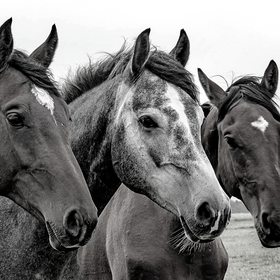
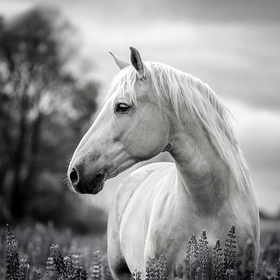
As winter tightens its grip on the landscape, the beauty of a snow-covered farm often masks a myriad of logistical challenges for horse owners. Managing horses in icy conditions requires more than just extra blankets; it demands a strategic approach to biomechanics, physiology, and environmental safety. From the crystalline structure of the ice underfoot to the internal fermentation in the horse's gut, every detail counts when temperatures plummet. Navigating the frozen frontier successfully means balancing the horse's natural hardiness with proactive intervention to prevent injuries and maintain health through the spring thaw.
The Foundation of Traction: Winter Hoof Care
When it comes to horses and ice, the primary concern for most owners is traction. A single slip can lead to catastrophic musculoskeletal injuries, ranging from pulled suspensory ligaments to pelvic fractures. Modern hoof management strategies offer several paths to safety, depending on your horse’s specific needs.
-
Barefoot vs. Shod: Many farriers advocate for barefoot management in winter. A bare hoof allows for natural expansion and provides better grip. If shod, use Snow Pads and Traction Devices like borium or studs.
-
Daily Hoof Vigilance: Pick hooves daily to prevent thrush and "ice balls." Applying a thin layer of cooking spray can act as a temporary moisture barrier.
Safe Turnout and Paddock Management
Turnout is vital for a horse’s mental health and digestive motility, but ice can turn a familiar paddock into a danger zone. Managing these spaces requires a combination of environmental modification and realistic risk assessment.
Modifying High-Traffic Areas
Focus your efforts on "high-traffic" zones: gate areas, water troughs, and the paths leading to the barn. Avoid using salt-based ice melters, as these can irritate the sensitive skin of the pastern and dry out hoof capsules. Instead, use coarse sand or wood ash for ice abatement. These materials provide immediate grit without chemical side effects. If a paddock becomes a literal sheet of ice, it is often safer to keep horses in or restricted to a smaller, sanded "sacrifice lot" until conditions improve.
The Battle of the Buckets: Managing Frozen Water
Hydration is the silent challenge of winter. Horses often drink less when water is near freezing, which significantly increases the risk of impaction colic. Keeping water accessible is a top priority.
Tips for Preventing Freezing
-
The "Salted Bottle" Trick: Fill a plastic bottle with highly concentrated salt water and float it in the trough. Because salt water has a lower freezing point, the bottle stays liquid and moves with the wind, creating ripples that discourage the surface from icing over.
-
Insulated Housing: Place your bucket inside a larger container and pack the gap with straw or shavings. For larger troughs, setting them inside a large tractor tire provides an insulating air pocket and absorbs sunlight.
-
Rubber Over Plastic: Switch to rubber troughs where possible. Rubber is a better insulator than plastic and can withstand the expansion of ice without cracking, making it much easier to pop the ice out.
Effective Ice Breaking
-
Complete Removal: When you break the ice, remove the chunks from the water entirely. Leaving ice shards in the trough acts like a "starter kit" for refreezing, cooling the surrounding water even faster.
-
The "Jolly Ball" Method: Floating a heavy-duty ball or a large piece of wood in the water can help. Horses often play with these, keeping the surface moving, which helps prevent a solid sheet of ice from forming.
Nutrition as an Internal Heater
One of the most common misconceptions is that extra grain is the best way to keep a horse warm. In reality, the horse’s "internal heater" is the fermentation of long-stem forage.
-
The Power of Forage: When microbes in the hindgut break down hay, they generate significant internal heat. For a horse with a healthy winter coat, the Lower Critical Temperature (LCT) is typically around 18°F (-8°C). Once the thermometer drops below this point, the horse must expend energy to maintain its core body temperature. A good rule of thumb is to provide an additional 2 lbs of forage for every 10-degree drop in temperature below the LCT.
-
Ensuring Hydration: Hydration is the silent challenge of winter. Horses often drink less when water is near freezing, which significantly increases the risk of impaction colic.
-
Ideal Water Temperature: Aim to keep water between 45°F and 65°F. Research shows horses will consume substantially more water at these temperatures compared to ice-cold water.
-
Tank Heaters: Use birdcage-style heaters or insulated troughs to prevent freezing. Always check automatic waterers daily to ensure valves haven't frozen shut.
-
Salt Intake: Encourage drinking by providing loose salt or top-dressing feed with a tablespoon of salt during extreme cold snaps.
Professional Stable Management
Finally, the environment inside the barn plays a major role in winter health. The instinct to "batten down the hatches" and seal every window can actually do more harm than good.
Proper ventilation is crucial to prevent the buildup of ammonia and dust, which can lead to respiratory issues like Equine Asthma. Even in sub-zero weather, keep upper windows or ridge vents open. A cold, dry barn is far healthier for a horse's lungs than a warm, damp one.