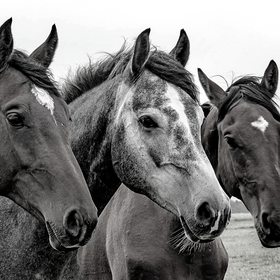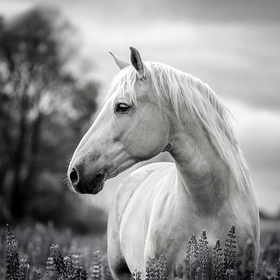


Most riders use "easy keeper" the way they'd describe a low-maintenance friend, he doesn't need much, he's happy with whatever, he's easy. And in some ways, that's true. These horses thrive on forage alone, hold weight through winter without much supplementation, and never leave a flake of hay behind.
But biologically, what's happening is that their bodies are extraordinarily efficient at converting food into energy, and storing whatever's left over as fat. That's a survival trait that served horses well for thousands of years on sparse pastures. It's significantly less useful when your horse has access to lush Pennsylvania spring grass and a round bale.
Many owners assume an overweight horse is simply "easy keeping," when metabolic dysfunction may be involved.
The real question isn't whether your horse is an easy keeper. It's whether that tendency is being managed, or whether it's quietly becoming a health problem.
What Is EMS, and Should You Be Worried?
EMS stands for Equine Metabolic Syndrome. It's not a disease exactly; it's more of a cluster of risk factors that together significantly increase the chance of a horse developing laminitis, which is the condition you actually want to avoid.
At the center of EMS is insulin dysregulation. Here's the simplified version: when a horse eats sugar or starch, the body releases insulin to process it.
In a horse with insulin dysregulation, that response is exaggerated: insulin spikes higher than it should, and stays elevated longer. High levels of circulating insulin are linked to increased risk of laminitis, where the tissues anchoring the hoof wall to bone become damaged by inflammation.
The connection to spring grass is direct. Lush, fast-growing grass is high in soluble carbohydrates, which can raise blood glucose and insulin levels, which is why you often hear of horses developing laminitis when turned out on fresh pasture in spring.
So, the easy keeper who seems fine in winter can suddenly be at real risk the moment the grass comes in. And the transition often happens faster than owners expect.
Who's Most at Risk?
Any horse can develop metabolic issues, but some are significantly more predisposed than others. Ponies, Warmbloods, and Quarter Horses are more prone due to genetics favoring efficient fat storage (a genetic survival trait that now often causes excessive weight gain). Morgans, Arabians, and Spanish Mustangs also show up on that list regularly.
Age matters too. Middle-aged horses, roughly between 5 and 15 years old, are most diagnosed with, often because that's when laminitis first appears and prompts a closer look.
That said, don't assume your Thoroughbred is off the hook. Any horse that's overweight and under-exercised can develop insulin dysregulation over time, regardless of breed.
What Does It Actually Look Like?
The signs of EMS aren't always dramatic, which is part of what makes it easy to miss. Some metabolically compromised horses may appear fairly normal overall while still carrying abnormal fat deposits in specific areas.
Things to watch for:
Many easy keepers are carrying more weight than owners realize. A horse should generally have ribs you can feel easily (but not see prominently), and a body condition score around 5 out of 9 is ideal for most horses.
Recurring foot abscesses or mild, unexplained lameness. These can be early signs of laminitis before full-blown episodes occur.
Classic laminitis signs. Heat in the hooves, a digital pulse you can feel, rocking back onto the heels, reluctance to move. If you're seeing these, call your vet, this is a veterinary emergency.
When to Call Your Vet
If your horse is an easy keeper and you're noticing any of the above signs, it's worth a conversation with your veterinarian before spring grass hits full stride, ideally before, not after. Blood work including resting insulin and glucose can help establish a baseline, and your vet may recommend a dynamic oral sugar test for a more complete picture.
The good news: most horses with EMS will continue to live comfortably and have long successful careers with proper management. The key word is management, and that starts with understanding what you're dealing with.
What Good Management Actually Looks Like
Once you know your horse is metabolically at risk, the approach is straightforward even if it's not always easy to execute:
Restrict pasture access. This is the single most impactful change for most horses. A well-fitted grazing muzzle can reduce grass intake significantly while still allowing turnout. If muzzling isn't an option, a dry lot with controlled hay access may be necessary during peak grass season.
Know when grass is highest risk. Cool-season grasses like orchard grass, fescue, and Kentucky bluegrass are particularly high in sugars during periods of rapid growth. In many conditions, grass sugar levels are lower in the early morning than later in the day, but weather, temperature, drought stress, and frost can all change that dramatically. Stressed grass after drought, frost, or overgrazing, can also be unexpectedly high in sugars even when it looks sparse.
Watch the hay. For horses with confirmed EMS, hay should ideally be tested for non-structural carbohydrate content or soaked before feeding to reduce sugar levels. Your vet or an equine nutritionist can help you navigate this.
Exercise helps. Regular movement improves insulin sensitivity. Even light, consistent work makes a meaningful difference for metabolically at-risk horses.
Skip the grain and sugary treats. Most easy keepers don't need grain at all. If you're supplementing, look for low-sugar, low-starch options formulated for metabolic horses. And yes, that means reconsidering the daily apple and carrot habits, at least during high-risk seasons.
The Bottom Line
"Easy keeper" is a description, not a diagnosis. But it is a signal worth paying attention to, especially in spring, when the conditions that trigger metabolic crises are literally growing in your pasture.
You don't need to panic. You need a plan. And that plan starts with knowing your horse, watching for the signs, working with your vet, and making management adjustments that keep him comfortable and sound for the long haul.
If you haven't read last week's post on grazing muzzles yet, that's a good next step, it covers how to choose, fit, and introduce one without the drama. And if you have questions about what's right for your specific horse's situation, you know where to find us. 🐴