


Over the past couple of weeks, we’ve had a noticeable increase in customers asking about bridle fitting and type comparison.
A few horses had suddenly started tossing their heads or getting resistant in the contact.
So we thought it was time to address it.
Let’s break it down.
A bridle is the headgear that holds the bit and allows the rider to communicate through the reins. It directs, refines, and stabilizes your connection.
Bridles typically come in sizes:
But sizing labels are just a starting point. Every horse’s head is shaped differently — wide foreheads, narrow polls, short faces, thicker jowls. Fit is individual.
Used in disciplines like Hunter/Jumper, Dressage, and Eventing.
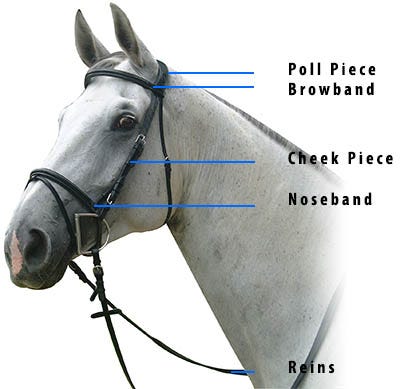
Most include:
Designed for steady rein contact and refined aids.
Used in Western disciplines such as Trail Riding, Reining and Ranch work.
Typically:
Simpler in appearance, but fit still matters at the poll and bit height.
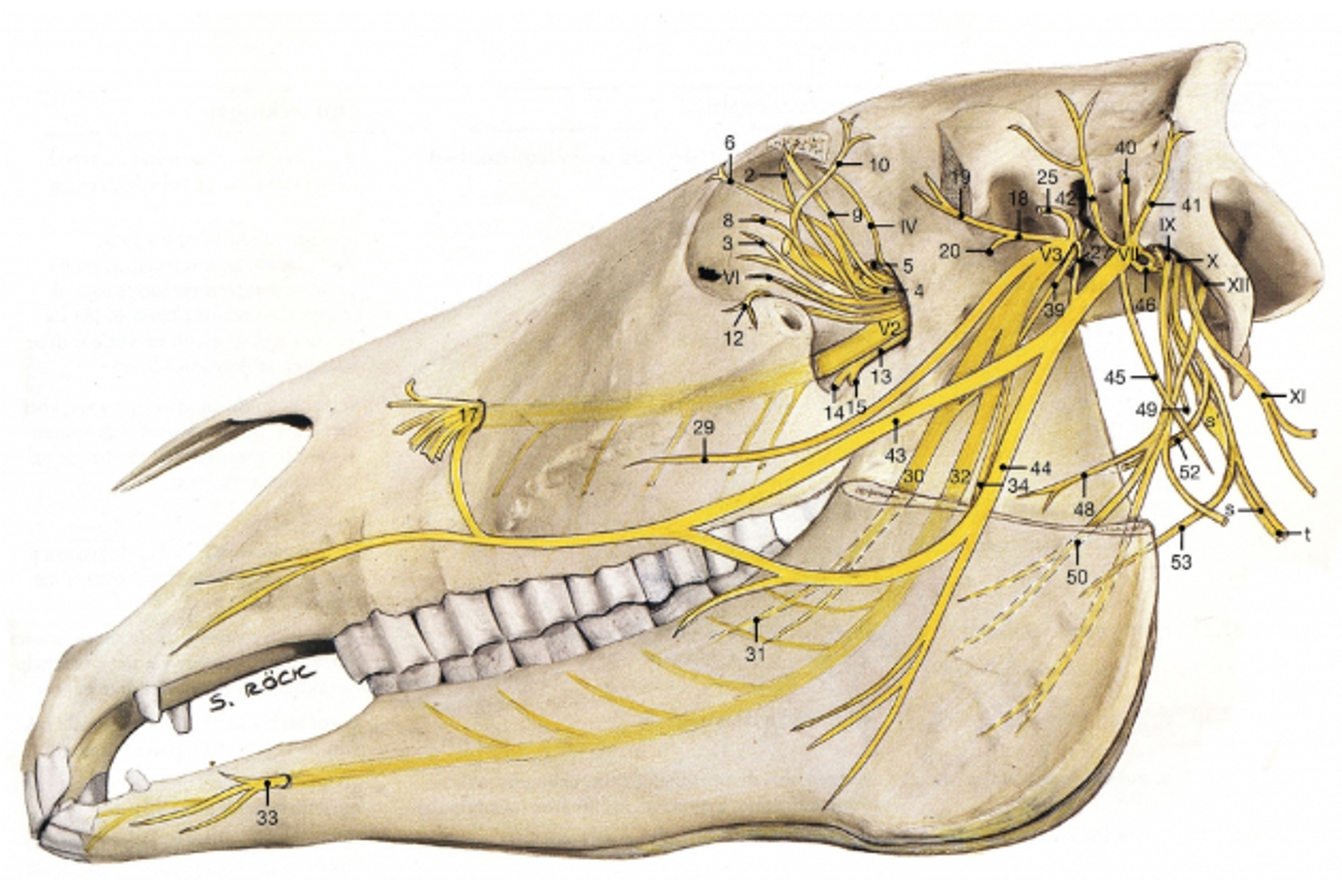

Horses have very little muscle padding on their faces. Beneath the skin lies bone — and running across those bones are sensitive nerves.
When straps sit in the wrong place or are over-tightened, they can compress these nerves.
That can look like:
Here are the main areas to watch when fitting:
This is the primary sensory nerve of the face.
It exits the skull at a small opening called the infraorbital foramen — located halfway down the face, forward of the cheekbone.
If a noseband sits too low or is overly tight, it can press directly on this exit point. That compression can create sharp, electric-like sensations.
That’s not misbehavior. That’s discomfort.
Controls lips, nostrils, eyelids, and ears.
It crosses over the zygomatic arch (cheekbone ridge). If noseband buckles or cheekpieces sit directly on this ridge, prolonged pressure can dull response or cause temporary sensitivity.
A browband that is too short pulls the crownpiece forward into the base of the ears. This can pinch the auriculotemporal nerve near the TMJ.
We see this often — especially when riders size down for a “cleaner look.”
Clean look does not equal correct fit.
Crownpiece
Sits just behind the ears. Should not dig into the base of the ear.
Browband
Lies flat without pulling. Two fingers should slide comfortably underneath.
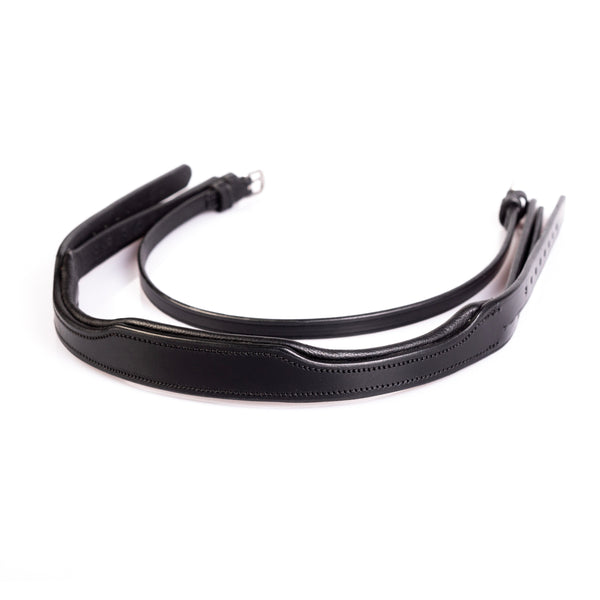
Noseband
Should sit approximately two fingers below the facial crest.
Two fingers should fit under the front when fastened.
Throatlatch
Should allow a vertically clenched fist between strap and jaw.
Cheekpieces
Adjust so the bit creates 1–2 soft wrinkles — not stretched tight.
Western bridles may look simpler than English bridles, but that doesn’t mean fit matters less. In fact, because most Western bridles don’t have nosebands, correct bit height and poll fit become even more important.
While designs vary, most Western bridles include:
Headstall (Crownpiece)
The main strap that goes over the poll and holds everything in place.
Browband (on traditional styles)
Prevents the bridle from sliding back.
One-Ear or Split-Ear Piece (on some styles)
Replaces the browband and helps stabilize the headstall.
Cheekpieces
Connect the headstall to the bit.
Bit (often curb style)
Commonly used with shanks and a curb strap or curb chain.
Reins
Usually split reins or romal reins.
Because there is typically no cavesson noseband, Western bridles rely on correct adjustment at the poll and bit.
Red Flag: Horse resisting bridling or showing ear sensitivity.
Western bits (especially curb bits) should sit slightly lower than a snaffle.
Too high = constant pressure.
Too low = instability and delayed cue response.
This is one of the most common Western fit mistakes.
Even Western horses can develop poll soreness from tight browbands.
Western may look minimalist — but minimal hardware means every adjustment matters.
Whether English or Western, the bridle:
Poor fit doesn’t just cause discomfort. It can change how your horse responds to cues. And often, what looks like resistance is simply pressure in the wrong place. When a horse’s way of going suddenly changes, always check your tack first. Small adjustments can make a dramatic difference in comfort and communication.
If you’re unsure about your bridle’s fit we’re always happy to help.